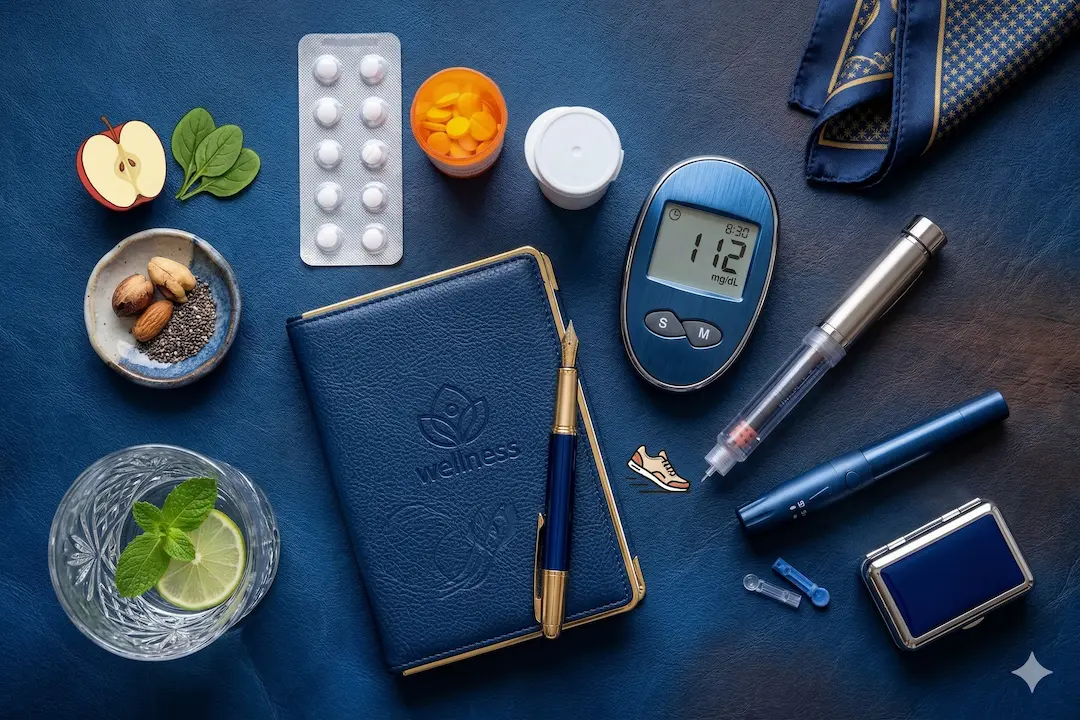
Here are 7 practical tips that can make a real difference.
1. Cut back on refined carbohydrates and sugar Stop feeding the problem — your plate is more powerful than you think
Foods like white bread, sugary drinks, pastries, and white rice spike blood sugar quickly and put extra pressure on your insulin response. Every time you eat these foods, your pancreas is forced to work overtime trying to compensate — and over time, that cycle only deepens insulin resistance and makes the condition harder to manage.
Replacing refined carbs with whole grains, legumes, and fiber-rich vegetables doesn’t mean giving up food you enjoy — it means making smarter swaps that keep your glucose levels stable throughout the day. Even small changes, like switching white rice for cauliflower rice or soda for sparkling water, can produce noticeable improvements in your blood sugar readings within just a few weeks.
2. Move your body every single day The free medicine your doctor wishes more patients would take
Exercise is one of the most powerful tools against insulin resistance, and the science behind it is clear. When your muscles contract during physical activity, they pull glucose directly from the bloodstream — a process that happens independently of insulin. That means movement literally lowers your blood sugar in real time, without any medication required.
Even a 30-minute walk after meals has been shown to significantly reduce post-meal blood sugar spikes. Strength training is especially effective because building muscle increases the amount of glucose your body can absorb and store, creating a lasting improvement in insulin sensitivity that carries over even on the days you rest.
3. Prioritize sleep like your health depends on it — because it does The silent saboteur behind blood sugar spikes most people completely ignore
Most people managing type 2 diabetes focus heavily on diet and exercise while completely overlooking sleep — and that’s a costly mistake. Poor sleep directly impairs insulin sensitivity, meaning your cells become even less responsive to insulin after just one or two bad nights. Your body also produces more cortisol and ghrelin when you’re sleep-deprived, both of which drive up blood sugar and cravings for sugary, high-calorie foods.
Adults with type 2 diabetes who consistently sleep less than 6 hours per night tend to have a much harder time managing their blood glucose levels, even when their diet is otherwise solid. Aiming for 7 to 9 hours of quality sleep — with a consistent bedtime, a dark room, and no screens before bed — can be one of the most underrated improvements you make to your overall metabolic health.
4. Manage stress actively Your mind is either your greatest ally or your worst enemy in this fight
Chronic stress is one of the most overlooked drivers of poor blood sugar control. When you’re under stress, your body releases cortisol as part of its fight-or-flight response — and cortisol directly raises blood sugar levels while also promoting fat storage around the abdomen, which is a major risk factor for worsening insulin resistance. If you’re doing everything right with your diet and exercise but still struggling with your readings, unmanaged stress may be the missing piece.
The good news is that you don’t need to meditate for hours or overhaul your entire lifestyle to see results. Simple practices like 10 minutes of deep breathing, a short walk in nature, journaling, or even a few minutes of stretching can measurably lower cortisol levels. Building even one stress-reducing habit into your daily routine can create a ripple effect that improves not just your blood sugar, but your sleep, mood, and energy levels as well.
5. Stay hydrated with the right drinks What you drink matters just as much as what you eat
Most people with type 2 diabetes pay close attention to what they eat but forget that what they drink can be just as damaging. Sodas, fruit juices, energy drinks, and even many flavored coffees are loaded with sugar that hits the bloodstream almost instantly, causing dramatic glucose spikes that are hard to control. Even drinks marketed as “healthy” — like certain smoothies or vitamin waters — can contain alarming amounts of sugar hidden behind appealing labels.
Water should be your foundation. When you’re dehydrated, glucose becomes more concentrated in the bloodstream, which directly worsens your blood sugar readings. Aiming for at least 8 glasses of water per day, and complementing that with unsweetened herbal teas or water with a squeeze of lemon, supports kidney function, improves circulation, and helps your body flush excess glucose more efficiently — all without a single side effect.
6. Track your meals and blood sugar patterns You can’t improve what you don’t measure
One of the most empowering things you can do when managing type 2 diabetes is to start paying attention to patterns. Keeping a simple food journal — even for just a few weeks — can reveal surprising connections between what you eat and how your blood sugar responds. You might discover that a food you considered “safe” is actually causing major spikes, or that a certain meal combination keeps your levels remarkably stable.
This kind of self-awareness removes the guesswork and puts you in the driver’s seat of your own health. You don’t need a complicated app or a degree in nutrition — a basic notebook works just fine. Over time, you’ll develop an intuitive understanding of how your body responds to food, stress, sleep, and movement, which makes every other tip on this list far more effective because you’ll know exactly where to focus your energy.
7. The secret most doctors never tell their diabetic patients What if everything you were told about managing diabetes was only half the story
Thousands of people who were told they would need medication for the rest of their lives are now living proof that there’s another way. There’s a short, eye-opening video that exposes the real root cause of type 2 diabetes — the hidden mechanism that your treatment plan has likely been ignoring all along. What’s inside has already changed the lives of people who had tried every diet, every medication, and every piece of conventional advice, and were running out of hope.
But here’s the thing: not everyone is ready to hear it. If you’re still comfortable just “managing” your condition and accepting it as your permanent reality, this probably isn’t for you. But if something inside you knows there has to be a better way — if you’re tired of feeling like a prisoner to your own body — watch the free video now. What you discover in the next few minutes might be the turning point you’ve been waiting for. The information is there. The only question is whether you’re willing to look.
